
Microsoft 365 Endpoint Administrator · AB-900 + MD-102
Earn Your Microsoft 365 Endpoint Administrator Certification in Just 5 Days
Live instructor-led training, official courseware, hands-on labs, exam vouchers, and a free retake — all in one package.
What's Included
Microsoft Certified Trainer (MCT) Instructor Led Live Training
2 Microsoft Official Courses (AB-900 / MD-102)
2 Microsoft Official Exam Vouchers (AB-900 / MD-102)
Free Retake Voucher for Each Exam
Microsoft Official Hands on Labs
Microsoft Vetted Practice Exams
Onsite & Online Pearson Vue Testing
Upcoming Sessions
MCA Microsoft 365 Endpoint Administrator Associate Certification (AB-900, MD-102) Boot Camp
Scroll to see additional dates.
Date
Location / Format
Price
Oct 5–9, 2026
Sarasota, FL · Onsite
$3,495.00
Oct 19–23, 2026
Virtual 9am EST Start
$3,495.00
Nov 9–13, 2026
Sarasota, FL · Onsite
$3,495.00
Nov 30 – Dec 4, 2026
Sarasota, FL · Onsite
$3,495.00
Training a Team? Get a Customized Team Quote
Volume pricing available for groups and corporate training.
Upcoming Sessions
Microsoft 365 Endpoint Administrator
Course Details
MCA Microsoft 365 Endpoint Administrator Associate Certification (AB-900, MD-102) Boot Camp
Duration
5 Days
Exams Covered
AB-900 / MD-102
Delivery
Classroom Live
Remote Live
Remote Live
Included
Vouchers + Retake + Official Labs
Why Thousands Choose Career Camps
17+ Years of Training Experience
For more than 17 years, professionals and organizations have relied on our training expertise to build in-demand technology skills, prepare for industry certifications, and advance their teams.
5,000+ Professionals Trained
With 5,000+ professionals trained, we bring extensive experience supporting individuals, enterprise teams, government organizations, and military clients with technology skills and certification training.
Trusted by Professionals & Organizations
Trusted by thousands of IT professionals, businesses, government organizations, and enterprise teams for high-quality certification training and technology skills development.
Access to 10+ Training Providers
Get access to training from 10+ established certification training providers, giving you more options to find the right course, schedule, delivery format, and training solution for your certification goals.
Live Certified Instructors
Learn directly from experienced certified instructors—not prerecorded videos or self-paced material.
Official Training
Train with authorized, official courseware and curriculum from leading technology certification providers. Get the same industry-recognized training designed to prepare professionals for today’s most in-demand certifications and technology roles.
Course Description
Description
Prerequisites
Experience with Microsoft Entra ID, Microsoft 365, and Microsoft Intune
Experience deploying, configuring, and maintaining Windows client devices
Familiarity with managing non-Windows devices
An understanding of networking, client security, identity, access, applications, and device management concepts
Our Facilities
CAREER CAMPS FACILITIES
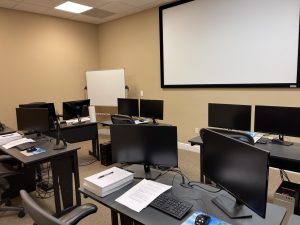 CAMPUS – Career Camps built out a stand alone training center (not a hotel conference room) with spacious classrooms, new desk, Herman Miller Aeron chairs & comfortable common areas. Each student has a dedicated desk with two monitors. Each classroom has a maximum of two rows – so everyone is able to be engaged without the “back row” feeling.
CLASSROOM EQUIPMENT – Students work on a dedicated Dell Client Desktop with 32GB memory with 512GB SSD drives – All Labs are executed the extremely fast Microsoft Data Center Hosted Lab Environment.
CAMPUS INTERNET – The campus is connected with a 1Gbps (1,000 Mbps) Verizon Fios Business Connection which provides complete internet (including VPN) access for students.
COMMON AREA – Amenities including snacks, drinks (Coffee, 100% juices, sodas, etc) all complimentary.
LODGING – We use the Hyatt Place Lakewood Ranch. This “upgraded” hotel offers extremely comfortable beds, great breakfast and very fast internet access.
NEAR BY AMENITIES – Many shops, restaurants and grocery options are available within walking distance. Additionally – the hotel provided scheduled shuttle services. Restaurants like Bone Fish Grill, Ruby Tuesday’s, Five Guys, Chipotle, Quiznos, Chili’s and over 20 additional choices in the immediate area. All of these options are offered in a pedestrian walking village.
Why Choose Us
CAREER CAMPS DIFFERENCE
Career Camps provides an in-depth hands on learning environment. Our instructors teach using demonstrations and explain concepts beyond the scope of the courseware. The best instructors are contracted from all across the US. These professionals are real world consultants who actually implement these technologies. Career Camps knows our clients work in the “real world” and it only makes sense to have an instructor with the experience in the real world.
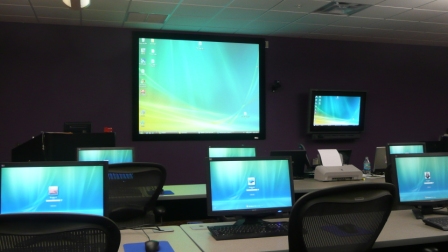 Facilities – Many of our competitors over-crowd classrooms by placing 2 to 3 students per desk and 20+ students per instructor. Often these companies “extend” the life of very old equipment with slow performance on the software used today. Our average class size is 8 students. Our facilities have the best equipment with the most comfortable, focused environment for learning.
Instructors – Our CEO holds one of the rarest Microsoft Certifications – the Microsoft Certified Learning Consultant (MCLC) Certification. This certification reflects a commitment to make sure our instructors are also actively engaged in real world consulting projects. Students expect a professional who can answer questions and demonstrate the technology.
Face to Face Training – We believe the best way to interact and learn is face to face training. Many of our competitors which offer local training are simply providing students with headphones/mic to attend class with an instructor at a remote location.
Test Pass – We offer a free retake voucher (if needed) for each of the exams required for certification. Any training center offering a “100% pass guarantee” would have to use unethical practices or unlimited test vouchers (which is not likely or practical).
Distractions – Students often look for a “local” training center so they can be close to home and work. Boot camp requires a tremendous time commitment during the program. Long class hours combined with self study each evening. The goal of boot camp is to achieve certification in a fraction of the time. We strongly recommend students attend camp away from home and work in a focused, distraction free environment.
Boot Camp – Boot camp is an accelerated training focused on teaching technology and testing students on the official exams. Most training providers “added” boot camps to the existing standard training classes they offer. These training centers think a boot camp is just a regular class where you send the student home with a voucher on the last day. Career Camps administers exams throughout the camp. Equally important – not every trainer can teach a boot camp and not all courseware is designed for boot camp format. Our trainers know the boot camp format and our courseware is designed for accelerated learning.
Florida – Career Camps has one of the most scenic locations boasting some of the best weather in US. We believe students should have a comfortable and inviting atmosphere while attending these otherwise intense programs. We place our location, facilities and amenities up against that any competitor.
What You'll Learn
- Introduction to Microsoft 365 core services and admin controls
- Explore Microsoft 365 security foundations
- Protect and govern Microsoft 365 data
- Explore Microsoft 365 Copilot and agents
- Perform basic administrative tasks for Microsoft 365 Copilot & Agents
- Deploy Windows client
- Manage identity and compliance
- Manage, maintain, and protect devices
- Manage applications
Course Outline
Explore the Enterprise Desktop
- Describe the benefits of Modern Management.
- Explain the enterprise desktop life-cycle model.
- Describe considerations for planning hardware strategies.
- Describe considerations for post-deployment and retirement.
- Examine benefits of modern management
- Examine the enterprise desktop life-cycle model
- Examine planning and purchasing
- Examine desktop deployment
- Plan an application deployment
- Plan for upgrades and retirement
Explore Windows Editions
- Explain the differences between the different editions of Windows.
- Select the most suitable Windows device for your needs.
- Describe the minimum recommended hardware requirements for installing Windows 11.
- Examine windows client editions and capabilities
- Select client edition
- Examine hardware requirements
Understand Microsoft Entra ID
- Describe Microsoft Entra ID.
- Compare Microsoft Entra ID to Active Directory Domain Services (AD DS).
- Describe how Microsoft Entra ID is used as a directory for cloud apps.
- Describe Microsoft Entra ID P1 and P2.
- Describe Microsoft Entra Domain Services.
- Examine Microsoft Entra ID
- Compare Microsoft Entra ID and Active Directory Domain Services
- Examine Microsoft Entra ID as a directory service for cloud apps
- Compare Microsoft Entra ID P1 and P2 plans
- Examine Microsoft Entra Domain Services
Manage Microsoft Entra identities
- Describe RBAC and use roles in Microsoft Entra ID
- Create and manage users in Microsoft Entra ID
- Create and manager groups in Microsoft Entra ID
- Use Windows PowerShell cmdlets to manager Micrososft Entra ID
- Describe how you can synchronize objects from AD DS to Microsoft Entra ID
- Examine RBAC and user roles in Microsoft Entra ID
- Create and manage users in Microsoft Entra ID
- Create and manager groups in Microsoft Entra ID
- Manager Microsoft Entra objects with Microsoft Graph PowerShell
- Synchronize objects from AD DS to Microsoft Entra ID
Manage device authentication
- Describe Microsoft Entra join
- Describe Microsoft Entra join prerequisites, limiatations, and benefits
- Join device to Microsoft Entra ID
- Manager devices joined to Microsoft Entra ID
- Describe Microsoft Entra join
- Examine Microsoft Entra join prerequisites limitations and benefits
- Join devices to Microsoft Entra ID
- Manager devices joined to Microsoft Entra ID
Enroll devices using MIcrosoft Configuration Manager
- Describe Microsoft Endpoint Manager
- Understand the advantages of managing a client with Configuration Manager
- Deploy the Configuration Manager client
- Monitor the Configuration Manager Client
- Manager Configuration Manager devices
- Deploy the Microsoft Configuration Manager client
- Monitor the Microsoft Configuration Manager client
- Manage the Microsoft Configuration Manager client
Enroll devices using Microsoft Intune
- Prepare Microsoft Intune for device enrollment
- Configure Micrososft Intune for automatic enrollment
- Explain how to enroll Windows, Android and iOS devices in Intune
- Explain when and how to use Intune Enrollment Manager
- Understand how to monitor and perform remote actions on enrolled devices
- Manage mobile device with Intune
- Enable mobile device manager
- Explain considerations for device enrollment
- Manage corporate enrollment policy
- Enroll Windows devices in Intune
- Enroll Android devices in Intune
- Enroll iOS devices in Intune
- Explore device enrollment manager
- Monitor device enrollment
- Manage devices remotely
Execute device profiles
- Describe the various types of device profiles in Intune
- Explain the difference between built-in and custom profiles
- Create and manage profiles
- Explore Intune device profiles
- Create device profiles
- Create a custom device profile
Oversee device profiles
- Monitor the assignments of profiles
- Understand how profiles are synchronized and how to manually force synchronization
- Use PowerShell to execute and monitor scripts on devices
- Monitor device profiles in Intune
- Manage device sync in Intune
- Manage devices in Intune using scripts
Maintain User Profiles
- Explain the various user profile types that exist in Windows
- Describe how a user profile works
- Configure user profiles to conserve space
- Explain how to deploy and configure Folder Redirection
- Explain Enterprise State Roaming
- Configure Enterprise State Roaming for Azure AD device
- Examine user profile
- Explore user profile types
- Examine options for minimizing user profile size
- Deploy and configure folder redirection
- Sync user state with Enterprise State Roaming
- Configure Enterprise State Roaming in Azure
Execute mobile application management
- Explain Mobile Application Management.
- Understand application considerations in MAM.
- Explain how to use Configuration Manager for MAM.
- Use Intune for MAM.
- Implement and manage MAM policies.
- Examine mobile application management
- Examine considerations for mobile application management
- Prepare line-of-business apps for app protection policies
- Implement mobile application management policies in Intune
- Manage mobile application management policies in Intune
Deploy and update applications
- Explain how to deploy applications using Intune and Configuration Manager
- Learn how to deploy applications using Group Policy
- Understand Microsoft Store Apps
- Learn how to deply apps using Microsoft Store Apps
- Learn how to configure Microsoft Store Apps
- Deploy applications with Intune
- Add apps to Intune
- Manage Win32 apps with Intune
- Deploy applications with Configuration Manager
- Deploying applications with Group Policy
- Assign and publish software
- Explore Microsoft Store for Business
- Implement Microsoft Apps
- Update Microsoft Store Apps with Intune
- Assign apps to company employees
Administer endpoint applications
- Explain how to manage apps in Intune.
- Understand how to manage apps on nonenrolled devices.
- Understand how to deploy Microsoft 365 Apps using Intune.
- Learn how to configure and manage IE mode in Microsoft Edge.
- Learn about app inventory options in Intune.
- Manage apps with Intune
- Manage apps on non-enrolled devices
- Deploy Microsoft 365 Apps with Intune
- Additional Microsoft 365 Apps Deployment Tools
- Configure Microsoft Edge Internet Explorer mode
- App Inventory Review
Protect identities in Microsoft Entra ID
- Describe Windows Hello for Business
- Describe Windows Hello deployment and management
- Describe Microsoft Entra ID Protection
- Describe and manage self-service password reset in Microsoft Entra ID
- Describe and manage multi-factor authentication
- Explore Windows Hello for Business
- Deploy Windows Hello
- Manage Windows Hellos for Business
- Explore Microsoft Entra ID Protection
- Manage self-service password reset in Microsoft Entra ID
- Implement multi-factor authentication
Enable organizational access
- Describe how you can access corporate resources
- Describe VPN types and configuration
- Describe Always On VPN
- Describe how to configure Always On VPN
- Enable access to organization resources
- Explore VPN types and configuration
- Explore Always on VPN
- Deploy Always on VPN
Implement device compliance
- Describe device compliance policy
- Deploy a device compliance policy
- Describe conditional access
- Create conditional access policies
- Protect access to resources using Intune
- Explore device compliance policy
- Deploy a device compliance policy
- Explore conditional access
- Create conditional access policies
Generate inventory and compliance
- Generate inventory reports and Compliance reports using Microsoft Intune
- Report and monitor device compliance
- Create custom reports using the Intune Data Warehouse
- Use the Microsoft Graph API for building custom reports
- Report enrolled devices inventory in Intune
- Monitor and report device compliance
- Build custom Intune inventory reports
- Access Intune using Microsoft Graph API
Deploy device data protection
- Describe Windows Information Protection
- Plan for Windows Information Protection usage
- Implement and use Windows Information Protection
- Describe the Encrypting File System (EFS)
- Describe BitLocker
- Explore Windows Information Protection
- Plan Windows Information Protection
- Implement and use Windows Information Protection
- Explore Encrypting File System in Windows client
- Explore BitLocker
Manage Microsoft Defender for Endpoint
- Describe Microsoft Defender for Endpoint
- Describe key capabilities of Microsoft Defender for Endpoint
- Describe Microsoft Defender Application Guard
- Describe Microsoft Defender Exploit Guard
- Describe Windows Defender System Guard
- Explore Microsoft Defender for Endpoint
- Examine key capabilities of Microsoft Defender for Endpoint
- Explore Windows Defender Application Control and Device Guard
- Explore Microsoft Defender Application Guard
- Examine Windows Defender Exploit Guard
- Explore Windows Defender System Guard
Manage Microsoft Defender in Windows Client
- Describe Windows Security capabilities
- Describe Windows Defender Credential Guard
- Manage Microsoft Defender Antivirus
- Manage Windows Defender Firewall
- Manage Windows Defender Firewall with Advanced Security
- Explore Windows Security Center
- Explore Windows Defender Credential Guard
- Manage Microsoft Defender Antivirus
- Manage Windows Defender Firewall
- Explore Windows Defender Firewall with Advanced Security
Manage Microsoft Defender for Cloud Apps
- Describe Microsoft Defender for Cloud Apps
- Plan for Microsoft Defender for Cloud Apps usage
- Implement and use Microsoft Defender for Cloud Apps
- Explore Microsoft Defender for Cloud Apps
- Planning Microsoft Defender for Cloud Apps
- Implement Microsoft Defender for Cloud Apps
Assess deployment readiness
- Describe the guidelines for an effective enterprise desktop deployment
- Explain how to assess the current environment
- Describe the tools that you can use to assess your current environment
- Describe the methods of identifying and mitigating application compatibility issues
- Explain considerations for planning a phased rollout
- Examine deployment guidelines
- Explore readiness tools
- Assess application compatibility
- Explore tools for application compatibility mitigation
- Prepare network and directory for deployment
- Plan a pilot
Deploy using the Microsoft Deployment Toolkit
- Describe the fundamentals of using images in traditional deployment methods.
- Describe the key benefits, limitations, and decisions when planning a deployment of – Windows using Microsoft Deployment Toolkit (MDT).
- Describe how Configuration Manager builds upon MDT and how both can work in harmony.
- Explain the different options and considerations when choosing the user interaction experience during deployment, and which methods and tools support these experiences.
- Evaluate traditional deployment methods
- Set up the Microsoft Deployment Toolkit for client deployment
- Manage and deploy images using the Microsoft Deployment Toolkit
Deploy using Microsoft Configuration Manager
- Describe the capabilities of Configuration Manager.
- Describe the key components of Configuration Manager.
- Describe how to troubleshoot Configuration Manager deployments.
- Explore client deployment using Configuration Manager
- Examine deployment components of Configuration Manager
- Manage client deployment using Configuration Manager
- Plan in place upgrades using Configuration Manager
Deploy Devices using Windows Autopilot
- Explain the benefits of modern deployment for new devices.
- Describe the process of preparing for an Autopilot deployment.
- Describe the process of registering devices in Autopilot.
- Describe the different methods and scenarios of Autopilot deployments.
- Describe how to troubleshoot common Autopilot issues.
- Describe the process of deployment using traditional methods.
- Use Autopilot for modern deployment
- Examine requirements for Windows Autopilot
- Prepare device IDs for Autopilot
- Implement device registration and out of the box customization
- Examine Autopilot scenarios
- Troubleshoot Windows Autopilot
Implement dynamic deployment methods
- Describe how Subscription Activation works.
- Describe the benefits of Provisioning Packages.
- Explain how Windows Configuration Designer creates Provisioning Packages.
- Describe the benefits of using MDM enrollment with Microsoft Entra join.
- Examine subscription activation
- Deploy using provisioning packages
- Use Windows Configuration Designer
- Use Microsoft Entra join with automatic MDM enrollment
Plan a transition to modern endpoint management
- Identify usage scenarios for Microsoft Entra join.
- Identify workloads that you can transition to Intune.
- Identify prerequisites for co-management.
- Identify considerations for transitioning to modern management.
- Plan a transition to modern management using existing technologies.
- Plan a transition to modern management using Microsoft Intune.
- Explore using co-management to transition to modern endpoint management
- Examine prerequisites for co-management
- Evaluate modern Management considerations
- Evaluate upgrades and migrations in modern transitioning
- Migrate data when modern transitioning
- Migrate workloads when modern transitioning
Manage Windows 365
- Describe the key features of Windows 365.
- Describe the Windows 365 management experience.
- Describe the Windows 365 security model.
- Describe the Windows 365 deployment options.
- Describe the Windows 365 licensing model.
- Explore Windows 365
- Configure Windows 365
- Administer Windows 365
Manage Azure Virtual Desktop
- Describe the key features of Azure Virtual Desktop
- Describe the Azure Virtual Desktop management experience
- Describe the Azure Virtual Desktop security model
- Describe the Azure Virtual Desktop deployment options
- Examine Azure Virtual Desktop
- Explore Azure Virtual Desktop
- Configure Azure Virtual Desktop
- Administer Azure Virtual Desktop
Explore Microsoft 365 security foundations
- Analyze the Zero Trust security model
- Implement Zero Trust in Microsoft 365
- Examine threat protection and intelligence in Microsoft 365
- Explore identity and authentication in Microsoft 365
- Manage access and permissions in Microsoft 365
- Explore identity and access management in Microsoft Entra
- Troubleshoot and monitor identity security
Frequently Asked Questions
What is the Microsoft 365 Endpoint Administrator Associate Boot Camp?
The MCA Microsoft 365 Endpoint Administrator Associate Certification Boot Camp is an intensive Microsoft training program designed to develop skills in Microsoft 365 administration, endpoint management, device security, application deployment, and Windows client management. The boot camp combines foundational Microsoft 365 knowledge with advanced endpoint administration and prepares students for the applicable certification exams.
What certifications does this Microsoft 365 boot camp prepare me for?
The program combines Microsoft 365 fundamentals training (AB-900) with Microsoft 365 Endpoint Administrator (MD-102) training. The course is designed to provide a progression from foundational Microsoft 365 concepts to the technical skills required to manage and secure enterprise endpoints.
Who should take Microsoft 365 Endpoint Administrator training?
This boot camp is ideal for Microsoft 365 administrators, endpoint administrators, systems administrators, desktop support professionals, IT support specialists, Windows administrators, and IT professionals responsible for managing devices, applications, users, and security within Microsoft 365 environments.
What is Microsoft Intune?
Microsoft Intune is a cloud-based endpoint management service that helps organizations manage devices, applications, users, and security policies. It is a key technology for organizations implementing modern device management and is an important component of Microsoft 365 Endpoint Administrator training.
Is this Microsoft 365 boot camp good for beginners?
The foundational portion can be appropriate for professionals who are newer to Microsoft 365. However, the MD-102 material is more technical, so participants should have some experience with Windows, IT administration, networking, or endpoint support before taking the accelerated boot camp.
Why should I take the Microsoft 365 fundamentals and MD-102 training together?
Combining the two provides a progression from understanding the Microsoft 365 platform to developing practical endpoint administration and device management skills. This can be particularly valuable for IT professionals moving into Microsoft 365 administration or modern endpoint management.
Related products
-

MCE Microsoft 365 Administrator Expert & MCA Microsoft 365 Endpoint Administrator Accelerated Certification Boot Camp
$4,995.00 Course Details This product has multiple variants. The options may be chosen on the product page -
MCA Microsoft Teams Administrator Certification (MS-700) Boot Camp
$2,495.00 Course Details This product has multiple variants. The options may be chosen on the product page -
MCE Microsoft 365 Administrator Expert Certification (MS-102) Boot Camp
$2,995.00 Course Details This product has multiple variants. The options may be chosen on the product page -
MCA Microsoft Azure Admin & MCE Solutions Architect COMBO Certification Boot Camp
$5,995.00 Course Details This product has multiple variants. The options may be chosen on the product page
Ready to Take the Next Step?
Choose your upcoming training date or talk with our training advisors about the right option for you or your team.